
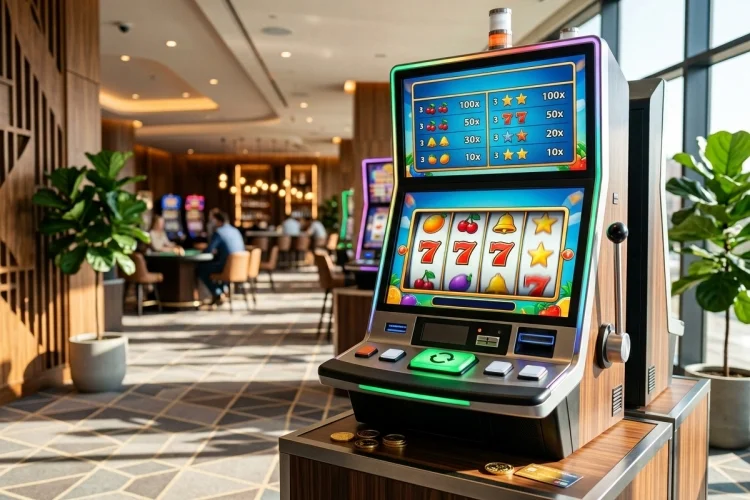
Today’s slot games can contain cinematic graphics, animated characters, interactive bonuses, and thousands of possible winning combinations. However, the earliest machines were simple mechanical devices operated with coins, springs, gears, and a lever.
To understand what is a slot machine, it helps to look at how the technology has changed. The classic three-reel design established a basic formula: place a bet, start the reels, wait for them to stop, and receive a prize when the symbols form an eligible pattern.
That formula remains familiar more than a century later. What has changed is how results are generated, how prizes are delivered, and how much information can appear on the screen.
The Origins of the Three-Reel Machine
Charles Fey is widely associated with the development of the modern three-reel slot machine in San Francisco during the late nineteenth century.
California’s historical landmark record credits Fey with inventing a coin-operated three-reel machine in 1895. The San Francisco International Airport Museum dates his famous Liberty Bell machine to 1898 and describes it as the first automatic-payout three-reel design.
The machine used a small selection of symbols, including bells, horseshoes, and card-suit designs. Its automatic payout system helped establish the format followed by many later machines.
How Mechanical Slots Operated
Mechanical slots depended on physical components. Inserting a coin and pulling the lever released the reels, allowing them to rotate before braking mechanisms brought them to a stop.
Symbols were printed around each reel. When the reels stopped, the symbols visible through the machine’s window created the final combination.
If that combination appeared in the payout schedule, the machine released coins or another prize. The physical arrangement of symbols and stopping positions determined the available outcomes.
The Move Toward Electronic Controls
Manufacturers gradually introduced electrical components, motors, processors, and electronic credit systems. Physical reels could remain on the machine even when a computer controlled how they moved.
One documented electronic reel design uses a central processing unit to determine a random game outcome. Motors and controllers then rotate the symbol-bearing reels and stop them at positions selected by the processor.
This separation between the calculated result and the reel animation became an important part of modern slot technology.
Video Slots Removed Physical Reels
Video slots replaced mechanical reels with digital images displayed on a screen. This allowed developers to create larger grids, animated symbols, expanding reels, and more complicated payout patterns.
The reels may still appear to spin, but the screen is presenting a software-generated result. There may be no physical wheel behind the display.
Online and mobile slots take this idea further. The entire game-including its reels, controls, sounds, balance, and paytable-exists within software running on a remote system or digital device.
RNG Software Determines Digital Results
Most digital slots use a Random Number Generator. The RNG produces numerical values that are converted into game outcomes according to the slot’s programmed rules.
Acceptable RNG results should be unpredictable and capable of passing recognised statistical tests. Game rules, payout tables, and outcome probabilities should not be secretly changed while the game remains available for gambling.
Independent testing laboratories can examine RNG output, game functionality, and whether calculated RTP figures match the underlying mathematical model.
Bonus Rounds Changed the Experience
Digital technology allowed slots to move beyond simple symbol matching. Modern games can include free spins, cascading reels, expanding wilds, multipliers, prize wheels, and separate bonus screens.
These features may feel like extra games, but their potential returns are generally included in the overall mathematical design. Triggering a bonus does not guarantee that its prize will exceed the money previously spent.
The rules should explain how each feature is activated and how its rewards are calculated. A visually impressive bonus can still produce a relatively small payout.
Progressive Jackpots Connect Prize Pools
A progressive jackpot increases as qualifying wagers contribute to a shared prize pool. It may connect machines in one venue or games across a wider online network.
Jackpot rules should explain how the prize is funded, whether a maximum or starting value applies, and what conditions make a player eligible.
Not every stake level necessarily qualifies for the largest jackpot. Players therefore need to read the conditions rather than relying only on the headline prize.
The slot machine has evolved from a mechanical device with physical reels into a sophisticated digital game controlled by software. Levers and coin hoppers have largely been replaced by buttons, touchscreens, electronic credits, and online accounts.
Yet the central idea remains unchanged: a player places a wager and receives a chance-based result. Modern graphics and bonuses can make the experience more elaborate, but they do not remove the risk of losing money.
Explore the paytable before playing, check jackpot requirements carefully, and use only an affordable entertainment budget. The history may be fascinating, but every current spin should still be approached cautiously.